30KHGSA, 30KHGSN2A, 30KHRA and 18KHG Russian Alloy Steel
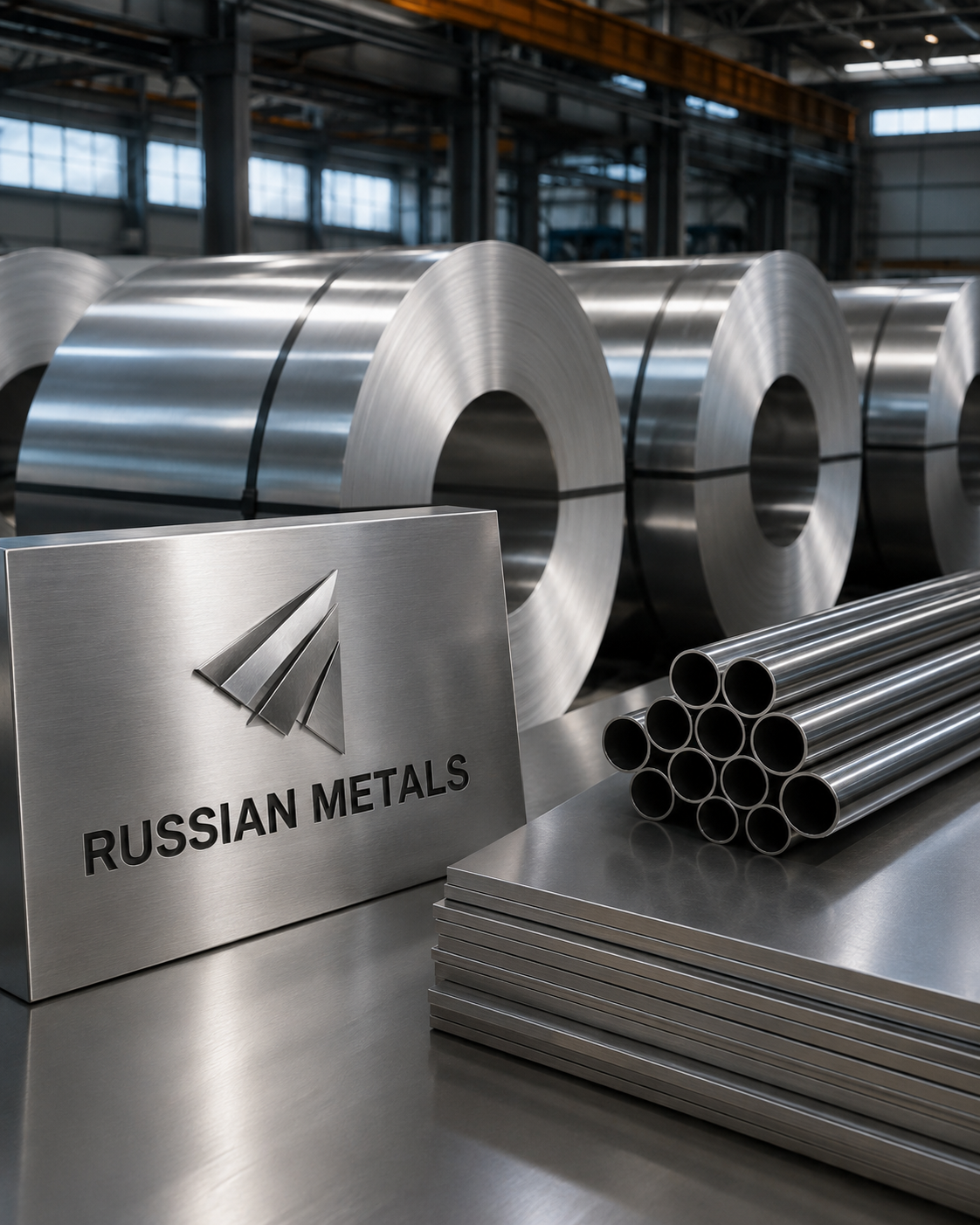
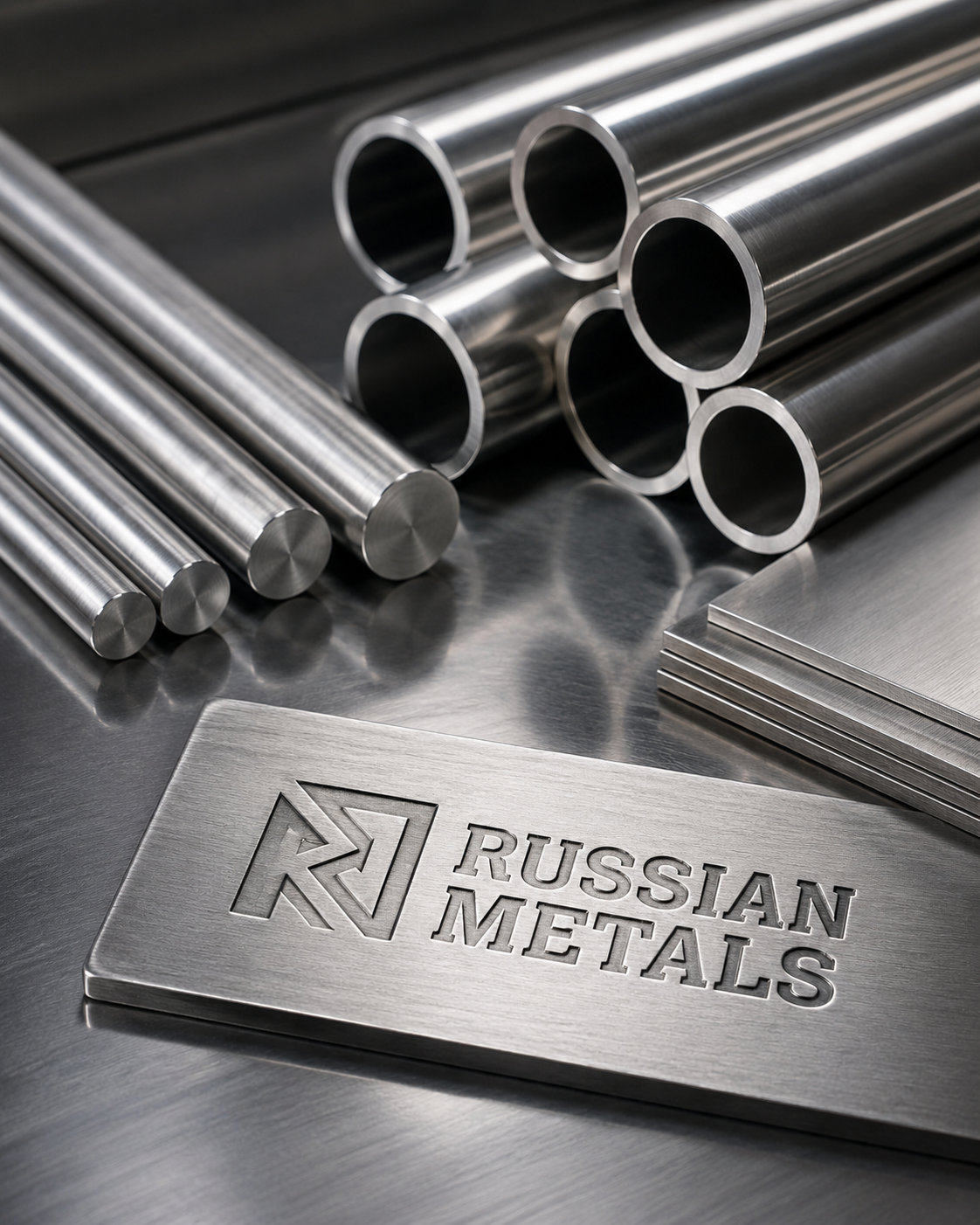
Russian Metals supplies 30KHGSA, 30KHGSN2A, 30KHRA and 18KHG Russian alloy steel in bars, forged bars, plates, sheets, tubes, rods, forgings and custom-sized material.
These Russian GOST alloy structural-steel grades are used for applications requiring high tensile strength, hardenability, fatigue resistance, wear resistance, impact performance or a hard carburized surface with a comparatively tough core.
Russian Metals supports buyers looking for:
- 30KHGSA steel supplier India
- 30KHGSN2A aerospace steel supplier
- 30KHRA chromium-boron steel supplier
- 18KHG case-hardening steel supplier
- Russian GOST 4543 steel
- Alloy-steel stockist in Mumbai
- Custom-size Russian steel material
- Alloy steel with MTC
- EN 10204 3.1 certified steel
- Export-quality alloy-steel bars and forgings
Material availability depends on the required grade, product form, dimensions, quantity, heat-treatment condition and inspection requirements.
Click any heading below to directly scroll to that section.
Quick Specification Overview
| Grade | Russian designation | Steel classification | Main alloying system | Main characteristic | Common applications |
|---|---|---|---|---|---|
| 30KHGSA | 30ХГСА | High-strength alloy structural steel | Chromium-manganese-silicon | High strength, hardenability and fatigue resistance | Shafts, axles, gears, aircraft tubing and welded structures |
| 30KHGSN2A | 30ХГСН2А | Ultra-high-strength alloy structural steel | Chromium-manganese-silicon-nickel | Very high tensile strength and deep hardenability | Aircraft parts, heavy-duty shafts, gears, pins and critical components |
| 30KHRA | 30ХРА | Chromium-boron structural steel | Chromium-boron | High hardenability, strength and wear resistance | Bolts, nuts, rollers, shafts, pins and gears |
| 18KHG | 18ХГ | Case-hardening alloy steel | Chromium-manganese | Hard carburized surface with a tough supporting core | Small gears, bushings, pins, shafts and friction parts |
Alternative Names and Grade Transliterations
Russian steel grades may be written in several Latin and Cyrillic forms. Buyers should always mention the original Russian designation and the required GOST standard when ordering material.
| Main grade | Russian grade | Alternative names and transliterations |
|---|---|---|
| 30KHGSA | 30ХГСА | 30HGSA, 30KhGSA, 30ChGSA, 30CrMnSiA, 30ХГСА steel |
| 30KHGSN2A | 30ХГСН2А | 30HGSN2A, 30KhGSN2A, 30ChGSN2A, 30KHGSNA, 30ХГСНА, 30CrMnSiNi2A |
| 30KHRA | 30ХРА | 30HRA, 30KhRA, 30XPA, 30CrB, 30ХРА steel |
| 18KHG | 18ХГ | 18HG, 18KhG, 18XG, 18CrMn, 18ХГ steel |
Common Russian-language search terms include:
- сталь 30ХГСА
- конструкционная сталь 30ХГСА
- сталь 30ХГСН2А
- высокопрочная сталь 30ХГСН2А
- сталь 30ХРА
- борсодержащая сталь 30ХРА
- сталь 18ХГ
- цементуемая сталь 18ХГ
Grade Designation Breakdown
30KHGSA or 30ХГСА Grade Meaning
The number 30 represents an approximate carbon content of 0.30%.
- Х or KH: Chromium
- Г or G: Manganese
- С or S: Silicon
- А or A: High-quality steel with controlled sulphur and phosphorus
30KHGSA is therefore a high-quality chromium-manganese-silicon structural steel.
30KHGSN2A or 30ХГСН2А Grade Meaning
The number 30 represents approximately 0.30% carbon.
- Х or KH: Chromium
- Г or G: Manganese
- С or S: Silicon
- Н or N: Nickel
- 2: Approximately 2% nominal nickel content
- А or A: High-quality grade
30KHGSN2A is a high-quality chromium-manganese-silicon-nickel steel.
30KHRA or 30ХРА Grade Meaning
The number 30 represents approximately 0.30% carbon.
- Х or KH: Chromium
- Р or R: Boron in the Russian designation system
- А or A: High-quality grade
30KHRA is classified as a chromium-boron alloy structural steel.
18KHG or 18ХГ Grade Meaning
The number 18 represents approximately 0.18% carbon.
- Х or KH: Chromium
- Г or G: Manganese
18KHG is a chromium-manganese carburizing and case-hardening steel.
30KHGSA Steel – 30ХГСА High-Strength Alloy Steel
30KHGSA steel is a Russian high-quality chromium-manganese-silicon structural steel. It is also known as 30HGSA steel, 30KhGSA steel, 30ChGSA steel, 30CrMnSiA steel and Russian grade 30KHGSA.
The grade develops high strength, useful toughness and good fatigue resistance after suitable quenching and tempering. It is used for aircraft tubing, shafts, axles, gears, flanges, fasteners and other heavily loaded machine parts.
Russian Metals supplies 30KHGSA alloy steel in standard and custom product forms for engineering, aerospace, defence and industrial applications.
30KHGSA Steel Classification
| Specification | Details |
|---|---|
| Steel type | Alloy structural steel |
| Alloy system | Chromium-manganese-silicon |
| Quality class | High-quality alloy steel |
| Common condition | Annealed, normalized or quenched and tempered |
| Strength level | High strength |
| Hardenability | Good for moderate sections |
| Weldability | Limited weldability |
| Main standard | GOST 4543 |
30KHGSA Chemical Composition
Chemical composition in percentage for 30KHGSA, 30ХГСА:
| Element | Minimum % | Maximum % |
|---|---|---|
| Carbon, C | 0.28 | 0.34 |
| Silicon, Si | 0.90 | 1.20 |
| Manganese, Mn | 0.80 | 1.10 |
| Chromium, Cr | 0.80 | 1.10 |
| Nickel, Ni | — | 0.30 |
| Copper, Cu | — | 0.30 |
| Sulphur, S | — | 0.025 |
| Phosphorus, P | — | 0.025 |
The controlled chromium, manganese and silicon content gives 30KHGSA steel its characteristic strength, hardenability and fatigue performance.
30KHGSA Critical Transformation Temperatures
| Critical point | Approximate temperature |
|---|---|
| Ac1 | 760°C |
| Ac3 or Acm | 830°C |
| Ar3 or Arcm | 705°C |
| Ar1 | 670°C |
| Mn transformation point | 352°C |
These values are reference temperatures. The final heat-treatment cycle depends on the product form, component size and required mechanical properties.
30KHGSA Mechanical Properties at 20°C
| Product form | Dimension | Tensile strength | Yield strength | Elongation | Reduction of area | Impact toughness | Heat treatment |
|---|---|---|---|---|---|---|---|
| Hot-finished pipe | As specified | Approx. 686 MPa | As specified | Approx. 11% | As specified | As specified | Product-standard condition |
| Cold-finished pipe | As specified | Approx. 491 MPa | As specified | Approx. 18% | As specified | As specified | Cold-worked condition |
| Bar | Ø25 mm reference | Approx. 1080 MPa | Approx. 830 MPa | Approx. 10% | Approx. 45% | Approx. 490 kJ/m² | Quenched at 880°C in oil and tempered at 540°C |
| Thick sheet | As specified | 490–740 MPa | As specified | Approx. 20% | As specified | As specified | Normalized |
| Thick sheet | As specified | Approx. 1080 MPa | As specified | Approx. 9% | As specified | Approx. 490 kJ/m² | Quenched and tempered |
| Thin sheet | As specified | 490–740 MPa | As specified | Approx. 20% | As specified | As specified | Normalized |
| Thin sheet | As specified | Approx. 1080 MPa | As specified | Approx. 10% | As specified | As specified | Quenched and tempered |
Mechanical properties may vary according to section thickness, testing direction, heat treatment and applicable product standard.
30KHGSA Hardness
| Product or condition | Reference Brinell hardness |
|---|---|
| Annealed 30KHGSA under GOST 4543 | Maximum approximately 229 HB |
| 30KHGSA pipe under GOST 8733 | Maximum approximately 229 HB |
| 30KHGSA bar under GOST 10702 | Maximum approximately 217 HB |
| Normalized thick sheet | Approximately 156–217 HB |
Brinell hardness should be written in HB, not MPa.
The final hardness of quenched-and-tempered 30KHGSA components depends on the selected tempering temperature and required mechanical strength.
30KHGSA Physical Properties
| Temperature | Elastic modulus | Thermal expansion | Thermal conductivity | Density | Specific heat |
|---|---|---|---|---|---|
| 20°C | Approx. 215 GPa | — | Approx. 38 W/m·K | Approx. 7850 kg/m³ | — |
| 100°C | Approx. 211 GPa | 11.7 × 10⁻⁶/K | Approx. 38 W/m·K | Approx. 7830 kg/m³ | Approx. 496 J/kg·K |
| 200°C | Approx. 203 GPa | 12.3 × 10⁻⁶/K | Approx. 37 W/m·K | Approx. 7800 kg/m³ | Approx. 504 J/kg·K |
| 300°C | Approx. 196 GPa | 12.9 × 10⁻⁶/K | Approx. 37 W/m·K | Approx. 7760 kg/m³ | Approx. 512 J/kg·K |
| 400°C | Approx. 184 GPa | 13.4 × 10⁻⁶/K | Approx. 36 W/m·K | Approx. 7730 kg/m³ | Approx. 533 J/kg·K |
| 500°C | Approx. 173 GPa | 13.7 × 10⁻⁶/K | Approx. 34 W/m·K | Approx. 7700 kg/m³ | Approx. 554 J/kg·K |
| 600°C | Approx. 164 GPa | 14.0 × 10⁻⁶/K | Approx. 33 W/m·K | Approx. 7670 kg/m³ | Approx. 584 J/kg·K |
These values are reference engineering data and should not be treated as guaranteed inspection values.
30KHGSA Technological Properties
| Property | Description |
|---|---|
| Weldability | Limited weldability |
| Flake sensitivity | Predisposed |
| Temper brittleness | Predisposed |
| Machinability | Better in annealed or normalized condition |
| Cold forming | Dependent on thickness and delivery condition |
| Hot forming | Possible under a controlled temperature range |
30KHGSA Equivalent Grades
The grades below include both close and nearest comparisons. They should not automatically be treated as exact substitutes.
| Country or standard | Grade | Comparison type |
|---|---|---|
| International designation | 30CrMnSiA | Direct compositional transliteration |
| Bulgaria, BDS | 30ChGSA | Close designation |
| Poland, PN | 30HGS or 30HGSA | Close designation |
| Czechia, CSN | 14 331 | Nearest comparison |
| USA, AISI or SAE | AISI 4130 | Functional comparison |
| USA, AISI or SAE | AISI 4135 | Functional comparison |
| EN | No direct universal equivalent | Engineering comparison required |
| ASTM | No direct universal equivalent | Select by specification and properties |
30KHGSA vs AISI 4130
30KHGSA is a chromium-manganese-silicon steel, while AISI 4130 is a chromium-molybdenum steel.
Both grades are used for high-strength structural applications, but they are not exact equivalents. Differences include:
- Alloying system
- Heat-treatment response
- Weldability
- Hardenability
- Fatigue behaviour
- Impact performance
- Applicable standards
AISI 4130 should not replace 30KHGSA without an engineering material review.
30KHGSA vs AISI 4135
AISI 4135 has a carbon level closer to 30KHGSA than AISI 4130, but it remains a chromium-molybdenum steel.
30KHGSA contains higher silicon and manganese levels and may behave differently during welding, hardening and tempering.
30KHGSA Heat Treatment
| Heat-treatment stage | Typical reference |
|---|---|
| Annealing | Used to reduce hardness before machining |
| Normalizing | Used for grain refinement and moderate-strength sheet |
| Austenitizing | Approximately 880°C |
| Quenching | Oil quenching |
| Tempering | Approximately 540°C for a high-strength and tough condition |
| Stress relieving | Applied after heavy machining or controlled welding where necessary |
The final heat-treatment cycle must be selected according to component thickness and required properties.
30KHGSA Normalizing
Normalizing may be used for sheets, plates and preliminary grain refinement.
Normalized 30KHGSA generally provides:
- Lower hardness
- Improved machinability
- Better forming capability
- More uniform microstructure
- Reduced internal stress before final hardening
30KHGSA Quenching
Oil quenching is commonly used for 30KHGSA because it provides controlled cooling with lower cracking and distortion risk than water quenching.
Quenching control should include:
- Austenitizing temperature
- Soaking time
- Furnace atmosphere
- Quench-medium temperature
- Transfer time
- Agitation
- Component section thickness
- Distortion allowance
30KHGSA Tempering
Tempering is carried out after quenching to improve toughness and reduce residual stress.
A higher tempering temperature normally produces:
- Lower hardness
- Improved toughness
- Better dimensional stability
- Reduced quench stress
A lower tempering temperature normally maintains higher hardness but can reduce toughness.
30KHGSA Hardenability and Fatigue Resistance
30KHGSA has good hardenability for moderate-section components. Its chromium-manganese-silicon alloy system supports high strength after quenching and tempering.
Fatigue performance depends on:
- Surface finish
- Component geometry
- Decarburization
- Inclusion content
- Residual stress
- Heat-treatment quality
- Machining marks
- Stress concentration
30KHGSA Welding Information
30KHGSA has limited weldability.
A controlled welding procedure may require:
- Preheating
- Low-hydrogen electrodes or filler material
- Controlled interpass temperature
- Slow cooling
- Post-weld heat treatment
- Stress relieving
- Hardness testing
- Magnetic-particle inspection
Welding of aerospace or critical load-bearing components should only be performed under an approved welding procedure.
30KHGSA Machining and Fabrication
30KHGSA is easier to machine in the annealed or normalized condition.
Recommended production planning includes:
- Rough machining before final heat treatment
- Suitable allowance for heat-treatment distortion
- Removal of decarburized surface
- Controlled grinding after hardening
- Appropriate cutting tools for the material hardness
30KHGSA Available Product Forms
- 30KHGSA round bar
- 30KHGSA forged bar
- 30KHGSA steel plate
- 30KHGSA sheet
- 30KHGSA seamless tube
- 30KHGSA aircraft tubing
- 30KHGSA wire
- 30KHGSA forging
- 30KHGSA custom-size blanks
- 30KHGSA rough-machined components
30KHGSA Applications
30KHGSA steel is used for:
- Aircraft tubing
- Aerospace components
- Shafts
- Axles
- Gears
- Flanges
- Compressor components
- High-strength bolts
- Rivets
- Welded structures
- Heavily loaded machine parts
- Alternating-load components
- Low-temperature mechanical components
- Forged structural parts
30KHGSN2A Steel – 30ХГСН2А Ultra-High-Strength Steel
30KHGSN2A is a high-quality Russian chromium-manganese-silicon-nickel structural steel.
It is also searched as 30HGSN2A steel, 30ChGSN2A steel, 30ХГСН2А steel, 30KHGSNA steel, 30ХГСНА steel and 30CrMnSiNi2A steel.
The nickel addition improves hardenability and toughness compared with 30KHGSA. After controlled quenching and tempering, 30KHGSN2A can achieve ultra-high tensile and yield strength.
The grade is used for aerospace components, critical shafts, gears, cams, axles, pins, high-strength bolts and heavily loaded structural parts.
30KHGSN2A Steel Classification
| Specification | Details |
|---|---|
| Steel type | High-quality alloy structural steel |
| Alloy system | Chromium-manganese-silicon-nickel |
| Strength class | Ultra-high-strength steel |
| Typical condition | Annealed or quenched and tempered |
| Hardenability | High |
| Weldability | Difficult or limited |
| Main standard | GOST 4543 |
30KHGSN2A Chemical Composition
| Element | Minimum % | Maximum % |
|---|---|---|
| Carbon, C | 0.27 | 0.34 |
| Silicon, Si | 0.90 | 1.20 |
| Manganese, Mn | 1.00 | 1.30 |
| Chromium, Cr | 0.90 | 1.20 |
| Nickel, Ni | 1.40 | 1.80 |
| Copper, Cu | — | 0.30 |
| Sulphur, S | — | 0.025 |
| Phosphorus, P | — | 0.025 |
The nickel content gives 30KHGSN2A greater hardenability and strength capability than 30KHGSA.
30KHGSN2A Mechanical Properties
| Heat-treatment condition | Tensile strength | Yield strength | Elongation | Reduction of area | Impact toughness |
|---|---|---|---|---|---|
| Quenched at approximately 900°C in oil and tempered at approximately 260°C | Approx. 1620 MPa minimum | Approx. 1375 MPa minimum | Approx. 9% minimum | Approx. 45% minimum | Approx. 590 kJ/m² minimum |
Properties depend on test-section size, product form and heat-treatment procedure.
30KHGSN2A Hardness
| Condition | Reference hardness |
|---|---|
| Annealed or high-tempered material | Maximum approximately 255 HB |
| Quenched and low-tempered material | Defined by required mechanical properties |
| Finished aerospace component | Controlled by drawing and process specification |
Because of its high strength, 30KHGSN2A requires careful control during grinding, plating and surface treatment.
30KHGSN2A Physical Properties
| Property | Typical reference value |
|---|---|
| Density | Approximately 7850 kg/m³ |
| Elastic modulus | Approximately 205–215 GPa |
| Poisson’s ratio | Approximately 0.28–0.30 |
| Thermal conductivity | Similar to other low-alloy structural steels |
| Magnetic behaviour | Ferromagnetic |
30KHGSN2A Equivalent Grades
| Standard or system | Grade | Comparison type |
|---|---|---|
| International designation | 30CrMnSiNi2A | Direct compositional transliteration |
| Poland, PN | 30HGSNA | Close national designation |
| Czechia, CSN | 16 532 | Nearest comparison |
| USA, AISI or SAE | AISI 4340 | Functional comparison |
| Aerospace steel | 300M | Performance comparison |
| EN | No direct universal equivalent | Engineering review required |
| ASTM | No direct universal equivalent | Match chemistry and properties |
30KHGSN2A vs AISI 4340
30KHGSN2A and AISI 4340 can both achieve high strength, but they use different alloying systems.
30KHGSN2A contains chromium, manganese, silicon and nickel. AISI 4340 contains nickel, chromium and molybdenum.
The grades differ in:
- Chemical composition
- Hardenability
- Tempering response
- Fracture behaviour
- Welding behaviour
- Product standards
AISI 4340 is not an exact replacement for 30KHGSN2A.
30KHGSN2A vs 300M Steel
300M is an ultra-high-strength aerospace steel commonly compared with 30KHGSN2A.
However, the grades are not exact equivalents. Material substitution must consider:
- Fracture toughness
- Fatigue strength
- Cleanliness
- Heat-treatment process
- Surface treatment
- Hydrogen-embrittlement risk
- Aerospace approval
- Nondestructive testing requirements
30KHGSN2A vs 30KHGSA
| Property | 30KHGSA | 30KHGSN2A |
|---|---|---|
| Nickel content | No major intentional nickel addition | Approximately 1.40–1.80% |
| Strength potential | High | Ultra-high |
| Hardenability | Good | Higher |
| Toughness in larger sections | Moderate | Improved |
| Weldability | Limited | More difficult |
| Typical applications | General high-strength parts | Critical aerospace and load-bearing parts |
30KHGSN2A Heat Treatment
| Process | Typical reference |
|---|---|
| Annealing | Used before machining |
| Quenching | Approximately 900°C in oil |
| Tempering | Approximately 260°C |
| Stress relieving | Applied during multi-stage machining where necessary |
| Final grinding | Performed after hardening for dimensional accuracy |
Low-temperature tempering allows very high strength but requires strict control of residual stress and toughness.
30KHGSN2A Hardenability and Fatigue Strength
30KHGSN2A provides deeper hardening than 30KHGSA because of its nickel content.
Its fatigue strength is influenced by:
- Steel cleanliness
- Forging grain flow
- Surface finish
- Shot peening
- Heat-treatment uniformity
- Residual stress
- Component geometry
- Nondestructive inspection quality
30KHGSN2A Welding Information
30KHGSN2A has difficult or limited weldability.
Potential welding risks include:
- Hydrogen cracking
- Heat-affected-zone cracking
- Excessive local hardness
- Distortion
- Reduced fatigue life
- Strength variation around the weld
A qualified welding procedure may require preheating, low-hydrogen control, controlled cooling and post-weld heat treatment.
30KHGSN2A Machining and Fabrication
Machining should preferably be completed in a softened condition.
Recommended manufacturing controls include:
- Rough machining before heat treatment
- Intermediate stress relieving
- Controlled quenching
- Final grinding after hardening
- Grinding-burn inspection
- Magnetic-particle inspection
- Dimensional inspection
30KHGSN2A Available Product Forms
- 30KHGSN2A round bar
- 30KHGSN2A forged bar
- 30KHGSN2A steel plate
- 30KHGSN2A sheet and strip
- 30KHGSN2A seamless tube
- 30KHGSN2A forging
- 30KHGSN2A custom-size blanks
- 30KHGSN2A rough-machined parts
30KHGSN2A Applications
30KHGSN2A steel is used for:
- Aircraft components
- Aircraft landing-gear-related parts
- Aircraft wing components
- Aircraft centre-section parts
- Heavily loaded shafts
- Gears
- Flanges
- Cams
- Axles
- Pins
- High-strength bolts
- Critical load-bearing components
- Defence applications
- High-fatigue mechanical parts
30KHRA Steel – 30ХРА Chromium-Boron Steel
30KHRA steel is a Russian chromium-boron alloy structural steel.
It is also written as 30HRA steel, 30KhRA steel, 30XPA steel, 30CrB steel and 30ХРА steel.
A small controlled boron addition increases hardenability and allows the steel to develop high strength after quenching and tempering.
30KHRA is used for shafts, rollers, levers, bolts, nuts, gears, pins and other loaded mechanical components.
30KHRA Steel Classification
| Specification | Details |
|---|---|
| Steel type | Alloy structural steel |
| Alloy system | Chromium-boron |
| Main characteristic | High hardenability and strength |
| Common condition | Annealed or quenched and tempered |
| Wear resistance | Good after hardening |
| Weldability | Limited |
| Main standard | GOST 4543 |
30KHRA Chemical Composition
| Element | Minimum % | Maximum % |
|---|---|---|
| Carbon, C | 0.27 | 0.33 |
| Silicon, Si | 0.17 | 0.37 |
| Manganese, Mn | 0.50 | 0.80 |
| Chromium, Cr | 1.00 | 1.30 |
| Boron, B | 0.001 | 0.005 |
| Nickel, Ni | — | 0.30 |
| Copper, Cu | — | 0.30 |
| Sulphur, S | — | 0.025 |
| Phosphorus, P | — | 0.025 |
The hardenability effect of boron depends on steelmaking practice, boron control and heat-treatment conditions.
30KHRA Mechanical Properties
| Heat-treatment condition | Tensile strength | Yield strength | Elongation | Reduction of area | Impact toughness |
|---|---|---|---|---|---|
| Quenched at approximately 900°C in oil and tempered at approximately 200°C | Approx. 1600 MPa | Approx. 1300 MPa | Approx. 9% | Approx. 40% | Approx. 500 kJ/m² |
Mechanical properties vary with section thickness, product form and heat-treatment control.
30KHRA Hardness
| Condition | Reference hardness |
|---|---|
| Annealed 30KHRA | Maximum approximately 241 HB |
| Quenched and tempered | Determined by required mechanical properties |
| Fastener application | Surface and core hardness may be specified separately |
30KHRA Physical Properties
| Property | Typical reference |
|---|---|
| Density | Approximately 7850 kg/m³ |
| Elastic modulus | Approximately 205–215 GPa |
| Thermal expansion | Comparable with low-alloy structural steels |
| Magnetic behaviour | Ferromagnetic |
| Thermal conductivity | Temperature dependent |
30KHRA Equivalent Grades
| Standard or system | Grade | Comparison type |
|---|---|---|
| International designation | 30CrB | Chromium-boron description |
| EN or DIN | 32CrB4, 1.7076 | Common nearest comparison |
| EN or DIN | 36CrB4 | Higher-carbon comparison |
| AISI or SAE | No exact universal equivalent | Engineering comparison required |
| Russia | 30KH or 30Х | Related chromium steel without equivalent boron control |
| ASTM | No direct universal equivalent | Select by specification |
30KHRA vs 32CrB4
30KHRA and 32CrB4 are both chromium-boron structural steels.
However, differences may exist in:
- Carbon content
- Chromium limits
- Boron control
- Sulphur and phosphorus limits
- Mechanical-property requirements
- Testing standards
- Delivery condition
32CrB4 should be treated as a nearest comparison, not an automatic replacement.
30KHRA vs 36CrB4
36CrB4 generally contains a higher carbon level than 30KHRA. This may produce higher hardness but can also reduce weldability and toughness.
The final grade selection depends on:
- Section size
- Required tensile strength
- Core hardness
- Wear requirement
- Impact loading
- Heat-treatment capability
30KHRA Heat Treatment
| Process | Typical reference |
|---|---|
| Annealing | Used to reduce hardness before machining |
| Normalizing | May be used for structural refinement |
| Quenching | Approximately 860–900°C in oil |
| Low tempering | Approximately 200°C |
| High tempering | Used where greater toughness is required |
| Stress relieving | Applied after heavy machining where needed |
30KHRA Hardenability and Wear Resistance
The controlled boron content significantly improves hardenability.
30KHRA is suitable for components requiring:
- High core strength
- Good wear resistance
- Quenched-and-tempered performance
- Fatigue resistance
- Strong thread and fastener performance
Wear resistance depends on hardness, surface finish, lubrication and contact pressure.
30KHRA Welding Information
30KHRA is not intended for unrestricted welding.
The chromium, carbon and boron content can produce a hard heat-affected zone.
Controlled welding may require:
- Preheating
- Low-hydrogen consumables
- Controlled interpass temperature
- Slow cooling
- Post-weld heat treatment
- Hardness inspection
30KHRA Machining and Fabrication
30KHRA should preferably be machined in the annealed condition.
Manufacturing planning should include:
- Rough machining before hardening
- Distortion allowance
- Final grinding
- Surface inspection
- Heat-treatment scale removal
- Decarburization control
30KHRA Available Product Forms
- 30KHRA round bar
- 30KHRA steel rod
- 30KHRA forged bar
- 30KHRA flat bar
- 30KHRA forging
- 30KHRA bolt steel
- 30KHRA custom-size steel
- 30KHRA machined blanks
30KHRA Applications
30KHRA chromium-boron steel is used for:
- Shafts
- Axles
- Rollers
- Levers
- Bolts
- Nuts
- Gears
- Loaded pins
- Mechanical components
- Wear-resistant parts
- High-strength fasteners
- Quenched-and-tempered components
- Automotive parts
- Heavy-machinery parts
18KHG Steel – 18ХГ Case-Hardening Steel
18KHG is a Russian chromium-manganese carburizing steel.
It is also searched as 18HG steel, 18KhG steel, 18XG steel, 18CrMn steel and 18ХГ steel.
The relatively low carbon content helps maintain a tough supporting core. Carburizing increases the surface carbon content before quenching, creating a hard and wear-resistant outer case.
18KHG is widely used for small gears, bushings, pins, shafts and friction components.
18KHG Steel Classification
| Specification | Details |
|---|---|
| Steel type | Alloy structural steel |
| Alloy system | Chromium-manganese |
| Processing class | Carburizing and case-hardening steel |
| Main characteristic | Hard surface with a tough core |
| Common condition | Annealed before machining |
| Final treatment | Carburizing, quenching and low tempering |
| Main standard | GOST 4543 |
18KHG Chemical Composition
| Element | Minimum % | Maximum % |
|---|---|---|
| Carbon, C | 0.15 | 0.21 |
| Silicon, Si | 0.17 | 0.37 |
| Manganese, Mn | 0.90 | 1.20 |
| Chromium, Cr | 0.90 | 1.20 |
| Nickel, Ni | — | 0.30 |
| Copper, Cu | — | 0.30 |
| Sulphur, S | — | 0.035 |
| Phosphorus, P | — | 0.035 |
Lower sulphur and phosphorus limits may apply to higher-quality production or customer-specific requirements.
18KHG Mechanical Properties
| Heat-treatment condition | Tensile strength | Yield strength | Elongation | Reduction of area |
|---|---|---|---|---|
| Quenched at approximately 880°C in oil and tempered at approximately 200°C | Approx. 880 MPa minimum | Approx. 735 MPa minimum | Approx. 10% minimum | Approx. 40% minimum |
For carburized parts, surface hardness, case depth and core hardness are more important than bulk tensile properties alone.
18KHG Hardness
| Condition or area | Typical requirement |
|---|---|
| Annealed or high-tempered stock | Maximum approximately 187 HB |
| Carburized surface | Specified by drawing or process requirement |
| Finished case hardness | Commonly approximately 58–62 HRC |
| Core hardness | Lower than surface hardness |
| Effective case depth | Selected according to component load and size |
The final surface hardness and case depth must be specified according to the component design.
18KHG Physical Properties
| Property | Typical reference |
|---|---|
| Density | Approximately 7800–7850 kg/m³ |
| Elastic modulus | Approximately 205–215 GPa |
| Thermal conductivity | Approximately 35–40 W/m·K |
| Magnetic behaviour | Ferromagnetic |
| Specific heat | Comparable with other low-alloy steels |
18KHG Equivalent Grades
| Standard system | Grade | Comparison type |
|---|---|---|
| International designation | 18CrMn | Direct alloy description |
| EN or DIN | 16MnCr5, 1.7131 | Common nearest comparison |
| EN or DIN | 20MnCr5, 1.7147 | Higher-carbon comparison |
| USA, SAE | SAE 5115 | Functional comparison |
| France, AFNOR | 16MC5 | Common comparison |
| United Kingdom, BS | 527M17 or 590M17 | Nearest comparison |
| China, GB | 15CrMn or 20CrMnTi | Functional comparison |
| Sweden, SS | 2127 | Common comparison |
| Poland, PN | 15HG | Nearest national comparison |
| Czechia, CSN | 14 220 | Common comparison |
18KHG vs 16MnCr5
18KHG and 16MnCr5 are chromium-manganese case-hardening steels.
Both are used for carburized gears, shafts, bushings and wear-loaded parts. However, differences may exist in:
- Carbon range
- Manganese level
- Chromium content
- Hardenability
- Impurity limits
- Testing requirements
- Delivery condition
16MnCr5 is a nearest functional comparison, not always an exact equivalent.
18KHG vs 20MnCr5
20MnCr5 generally contains more carbon than 18KHG.
This may affect:
- Core strength
- Hardenability
- Carburizing response
- Final hardness
- Toughness
- Distortion during heat treatment
The selection should be based on the component size and required case-hardening performance.
18KHG Carburizing Process
A typical 18KHG manufacturing sequence includes:
- Annealing or softening.
- Rough machining.
- Stress relieving where required.
- Carburizing.
- Carbon diffusion.
- Controlled cooling or reheating.
- Quenching.
- Low-temperature tempering.
- Final grinding.
- Case-depth and hardness inspection.
The carburizing process must control:
- Furnace temperature
- Carbon potential
- Cycle time
- Effective case depth
- Retained austenite
- Carbide formation
- Distortion
- Surface oxidation
18KHG Quenching and Tempering
After carburizing, the component may be directly quenched or reheated and quenched according to the approved process.
Low-temperature tempering reduces quench stress while maintaining high surface hardness.
Special care is required for:
- Thin gear teeth
- Sharp corners
- Keyways
- Small holes
- Sudden section changes
- High-precision components
18KHG Hardenability and Wear Resistance
18KHG provides suitable hardenability for small and moderate-section carburized parts.
Its wear performance depends on:
- Surface hardness
- Effective case depth
- Core strength
- Surface finish
- Lubrication
- Contact pressure
- Retained austenite
- Residual stress
18KHG Welding Information
18KHG has limited weldability and is not normally welded after carburizing or hardening.
If welding is required before final heat treatment, the process must consider:
- Heat-affected-zone hardness
- Carbon pickup during carburizing
- Distortion
- Quench cracking
- Weld-metal compatibility
- Post-weld heat treatment
18KHG Machining and Fabrication
18KHG is generally machined in the annealed condition.
Typical operations include:
- Turning
- Drilling
- Gear cutting
- Broaching
- Milling
- Grinding
- Honing
Most machining is completed before carburizing. Final grinding is carried out after heat treatment.
18KHG Available Product Forms
- 18KHG round bar
- 18KHG forged bar
- 18KHG steel rod
- 18KHG gear-steel blank
- 18KHG custom-size steel
- 18KHG machined blank
- 18KHG carburizing-grade stock
- 18KHG forging
18KHG Applications
18KHG steel is used for:
- Carburized components
- Case-hardened parts
- Small gears
- Pinions
- Bushings
- Pins
- Shafts
- Friction parts
- Pipeline-valve components
- Wear-resistant parts
- Small-section transmission components
- Hard-surface and tough-core components
- Chromium-manganese gear parts
Comparison of 30KHGSA, 30KHGSN2A, 30KHRA and 18KHG
| Selection factor | 30KHGSA | 30KHGSN2A | 30KHRA | 18KHG |
|---|---|---|---|---|
| Approximate carbon content | 0.30% | 0.30% | 0.30% | 0.18% |
| Main alloying system | Cr-Mn-Si | Cr-Mn-Si-Ni | Cr-B | Cr-Mn |
| Strength potential | High | Ultra-high | Very high | Moderate core strength |
| Main treatment | Quench and temper | Quench and low temper | Quench and temper | Carburize, quench and temper |
| Hardenability | Good | Very high | High | Suitable for small carburized parts |
| Surface-hardness approach | Through hardening | Through hardening | Through hardening | Carburized hard case |
| Weldability | Limited | Difficult | Limited | Limited |
| Main use | High-strength structural parts | Critical aerospace parts | Fasteners and wear parts | Gears and case-hardened parts |
Available Product Forms
Russian Metals can supply or source these grades in the following product forms, subject to size and quantity:
| Product form | 30KHGSA | 30KHGSN2A | 30KHRA | 18KHG |
|---|---|---|---|---|
| Hot-rolled round bar | Available | Available | Available | Available |
| Peeled or turned bar | Available | Available | Available | Available |
| Forged bar | Available | Available | Available | Available |
| Flat bar | On request | On request | Available | On request |
| Plate | Available | Available | On request | On request |
| Sheet | Available | Available | Limited | Limited |
| Strip | On request | Available | Limited | Limited |
| Seamless tube | Available | On request | Limited | Limited |
| Aircraft tubing | On request | On request | Not normally stocked | Not normally stocked |
| Wire | On request | On request | On request | On request |
| Forging blanks | Available | Available | Available | Available |
| Cut-to-size blanks | Available | Available | Available | Available |
Available Sizes and Dimensions
Typical enquiry ranges include:
| Product | Typical size range |
|---|---|
| Round bars | Approximately 10–500 mm diameter |
| Forged bars | Approximately 50–800 mm diameter |
| Plates | Approximately 3–200 mm thickness |
| Sheets | Approximately 0.5–6 mm thickness |
| Flat bars | Custom width and thickness |
| Seamless tubes | Custom outside diameter and wall thickness |
| Cut pieces | Fixed, random or multiple lengths |
| Forging blanks | Manufactured according to drawing |
| Machined blanks | Supplied with finishing allowance |
Actual size availability depends on grade, stock, mill production, quantity and certification requirements.
Applicable GOST Standards
The main material standard for these alloy structural-steel grades is GOST 4543.
Product requirements may also refer to separate standards for:
- Hot-rolled bars
- Forged bars
- Calibrated bars
- Peeled bars
- Hot-finished seamless tubes
- Cold-finished seamless tubes
- Thick sheets
- Thin sheets
- Mechanical testing
- Impact testing
- Hardness testing
- Ultrasonic inspection
- Surface quality
- Dimensional tolerances
The grade name alone is not a complete purchase specification. Product form, delivery condition, dimensions, heat treatment and testing requirements must also be defined.
Industries Served
Russian Metals supplies Russian alloy steel for:
- Aerospace
- Aviation
- Defence
- Automotive
- Heavy machinery
- Gear manufacturing
- Fastener production
- Power transmission
- Industrial engineering
- Oil and gas equipment
- Pipeline-valve manufacturing
- Forging companies
- Precision machining
- Special-purpose machinery
Testing and Inspection
Testing may be arranged according to the purchase specification.
Available inspections may include:
- Chemical analysis
- Positive material identification
- Tensile testing
- Yield-strength testing
- Elongation testing
- Impact testing
- Brinell hardness testing
- Rockwell hardness testing
- Vickers hardness testing
- Ultrasonic testing
- Magnetic-particle testing
- Dye-penetrant testing
- Microstructure examination
- Macrostructure examination
- Grain-size testing
- Decarburization testing
- Hardenability testing
- Case-depth testing
- Core-hardness testing
- Dimensional inspection
- Surface-finish inspection
Testing requirements should be confirmed before production or material processing.
MTC and Certification Details
Material can be supplied with documentation according to the agreed order requirements.
Available documentation may include:
- Manufacturer material test certificate
- EN 10204 3.1 inspection certificate
- Heat-number traceability
- Chemical-composition report
- Mechanical-test results
- Hardness report
- Heat-treatment record
- Ultrasonic-testing report
- Dimensional-inspection report
- Certificate of conformity
- Country-of-origin statement
- Packing list
- Commercial documentation
Third-party inspection or EN 10204 3.2 certification must be specified before order processing.
Packaging and Export Details
Export packaging may include:
- Steel-strapped bundles
- Wooden skids
- Wooden boxes
- Wooden crates
- Waterproof wrapping
- Rust-preventive coating
- End protection
- Heat-number identification
- Product tags
- Piece-number marking
- Seaworthy packaging
- Air-freight packaging
- Containerized shipment
Special preservation and long-term storage protection can be arranged according to the product form and destination.
Russian Alloy Steel Supplier in India
Russian Metals supplies Russian and CIS alloy-steel grades to engineering, aerospace, automotive and industrial buyers.
Supply capabilities include:
- 30KHGSA steel supplier India
- 30KHGSN2A manufacturer and exporter India
- 30KHRA chromium-boron steel stockist
- 18KHG case-hardening steel supplier
- Russian steel stockist Mumbai
- GOST 4543 steel supplier
- Aerospace steel bar supplier
- Forged steel bar supplier
- Custom-size alloy steel
- Material with MTC
- Alloy steel with EN 10204 3.1 certificate
- Export packing and global delivery support
Stock status depends on grade, diameter, thickness, product form, quantity and material condition.
Frequently Asked Questions
What is 30KHGSA steel?▾
30KHGSA is a high-quality chromium-manganese-silicon alloy structural steel. It is used for high-strength shafts, axles, gears, flanges, fasteners, aircraft tubing and heavily loaded mechanical parts.
What is the equivalent of 30KHGSA steel?▾
30CrMnSiA is the direct compositional transliteration. PN 30HGSA, BDS 30ChGSA and CSN 14 331 are commonly listed comparisons. AISI 4130 and AISI 4135 are functional comparisons, not exact equivalents.
Is 30KHGSA equivalent to AISI 4130?▾
No. 30KHGSA is a chromium-manganese-silicon steel, while AISI 4130 is a chromium-molybdenum steel. They should not be interchanged without technical approval.
What is the hardness of 30KHGSA steel?▾
Annealed 30KHGSA normally has a maximum reference hardness of approximately 229 HB. Final hardness after quenching and tempering depends on the heat-treatment cycle.
Can 30KHGSA steel be welded?▾
30KHGSA has limited weldability. Welding generally requires preheating, low-hydrogen control, controlled cooling and possible post-weld heat treatment.
What is 30KHGSN2A steel?▾
30KHGSN2A is an ultra-high-strength chromium-manganese-silicon-nickel structural steel used for critical aerospace, defence and heavily loaded mechanical components.
Is 30KHGSN2A equivalent to AISI 4340?▾
AISI 4340 is a functional comparison but not an exact equivalent. The grades have different alloying systems and heat-treatment responses.
Is 30KHGSN2A equivalent to 300M steel?▾
No exact equivalence should be claimed. Both are ultra-high-strength steels, but their chemistry, processing and aerospace qualification requirements differ.
What is the difference between 30KHGSA and 30KHGSN2A?▾
30KHGSN2A contains nickel and generally provides higher hardenability, strength and toughness in larger sections. 30KHGSA is commonly used for general high-strength structural parts.
What is 30KHRA steel?▾
30KHRA is a chromium-boron alloy structural steel used for bolts, nuts, shafts, rollers, gears, pins and quenched-and-tempered machine parts.
Is 30KHRA equivalent to 32CrB4?▾
32CrB4, EN 1.7076, is a commonly cited nearest comparison. The grades should only be substituted after comparing composition, mechanical properties and heat-treatment requirements.
What is the hardness of 30KHRA steel?▾
Annealed 30KHRA normally has a maximum reference hardness of approximately 241 HB. Quenched-and-tempered hardness depends on the selected tempering condition.
What is 18KHG steel used for?▾
18KHG is used for carburized gears, bushings, pins, shafts, friction parts and other components requiring a hard surface and tough core.
Is 18KHG equivalent to 16MnCr5?▾
16MnCr5 is a common nearest functional comparison, but it is not always an exact equivalent. Chemistry, hardenability and product-standard requirements must be reviewed.
Is 18KHG equivalent to 20MnCr5?▾
20MnCr5 is a higher-carbon comparison grade. It may provide different core hardness, hardenability and carburizing behaviour.
What is the typical case hardness of 18KHG steel?▾
A finished carburized surface may commonly be specified around 58–62 HRC, but the exact value depends on the component drawing and heat-treatment specification.
Which grade offers the highest strength?▾
Among 30KHGSA, 30KHGSN2A, 30KHRA and 18KHG, 30KHGSN2A generally offers the highest strength potential after controlled quenching and tempering.
Which grade is suitable for gears?▾
18KHG is suitable for carburized gears requiring a hard surface and tough core. 30KHGSA, 30KHGSN2A and 30KHRA may be selected for quenched-and-tempered gears.
Are these steel grades available with MTC?▾
These grades can be supplied with a manufacturer’s material test certificate and EN 10204 3.1 documentation when specified in the order requirements.
Are custom sizes available?▾
Custom-cut bars, forged blanks, plates, tubes and rough-machined components can be supplied depending on the grade, dimensions, quantity and production route.
What affects the price per kilogram?▾
The price depends on the grade, size, quantity, product form, origin, heat-treatment condition, testing, certification, machining and packaging requirements.
Can Russian Metals supply ready-stock material?▾
Ready-stock availability depends on the grade, product form, dimensions and quantity. Mill-production and custom-size options may be available where stock is not immediately available.
30KHGSA, 30KHGSN2A, 30KHRA and 18KHG Alloy Steel with MTC and Export Support
Send the grade, product form, dimensions, quantity, heat-treatment condition, testing, certification and delivery destination for a technically correct quotation.
Russian alloy structural steel sourcing support.
Chemical, mechanical and heat-treatment documentation.
Cut-to-size bars, plates, tubes and forged blanks.
Export packaging and worldwide delivery assistance.
Individual Grade Pages
Each grade below has its own dedicated page with full composition, standard and property data: